
The flywheel has already started turning
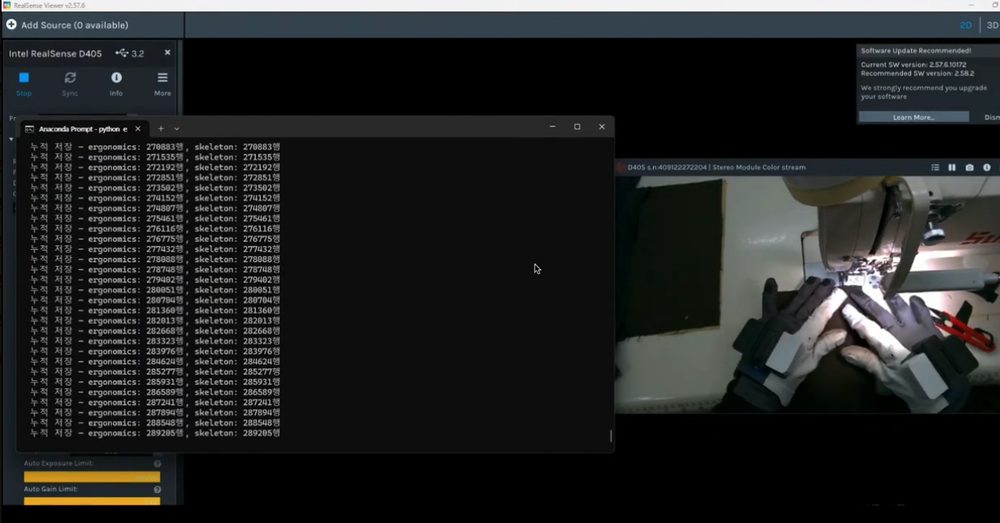
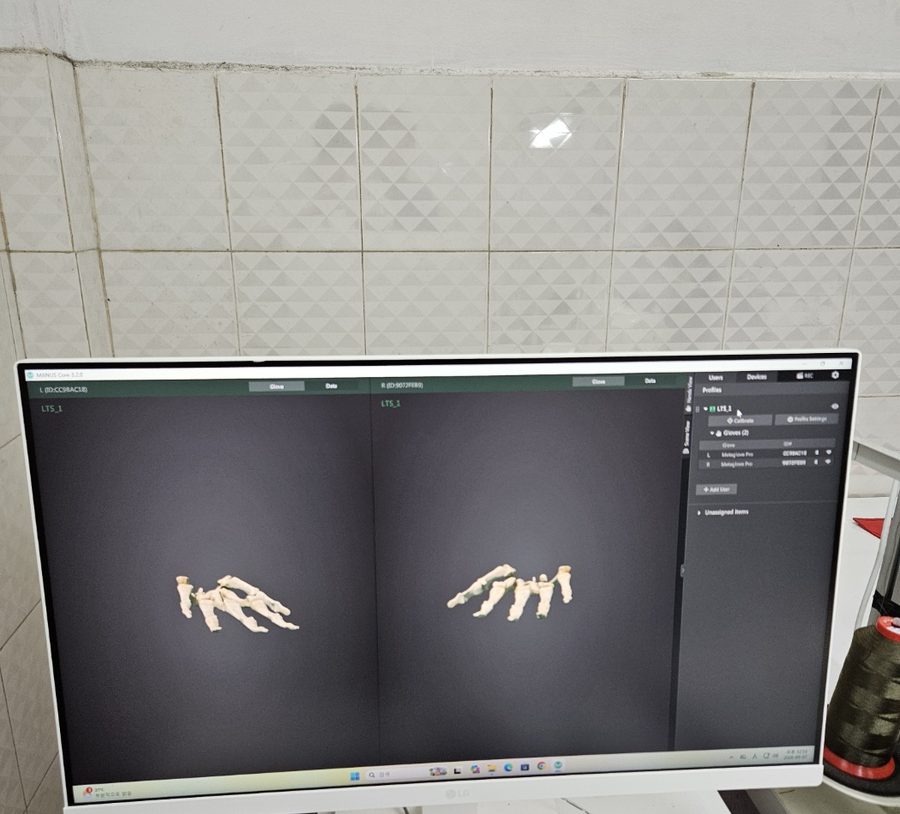
At the data studio in the LTS VINA factory, we collect skilled workers' motions in gloves every day.
With every turn, the model improves
Collect
Records skilled workers' hand motion, wrist 6-DOF and wrist camera video simultaneously.
- Straight and curved sewing collected by process
- Sewing-dedicated collection glove and depth-sensing camera
Train
Collected data is refined and used to train the sewing-specialized RFM with ACT imitation learning, validated first in simulation.
- Sim-to-Real based on Isaac Sim
- Unbroken motion through action chunking
- Generalizes toward handling 8 or more materials
Deploy
Mounted as a fixed cell beside the existing sewing machine. At first it observes human work in Shadow Mode and only compares judgments.
- Mount-on RaaS that does not change equipment
- ROS-based stack, independent of arm and hand vendors
- Real-factory pilot under way at LTS VINA
Update
Retrain on field data gathered by deployed robots, and apply the improved model to every factory's robots at once.
- Field failures become the next training data
- More factories mean more variety of materials and processes
- The collector shifts from people to robots
People start, and robots take over
At first skilled workers and gloves collect the data; as robots deploy, robots collect data directly in the field. Collection cost falls while data grows.
A conceptual diagram of the direction of the shift, not actual ratios.
Data, cost and field accumulate together
Early claim on field data
We hold an exclusive data contract with LTS VINA and are building up real garment-factory expert data first.
Low collection and build cost
Actuators are bought in volume to keep cost down, so differentiation sits in software.
Deployment is data
Each additional robot brings data on new processes and materials, lowering the burden of the next factory.
One factory's success calls the next factory
We welcome inquiries about sewing automation, data collaboration and investment.